The Rise of EV Dismantling in NZ: What Every Owner Needs to Know
New Zealand is in the middle of an electric vehicle revolution. With over 100,000 EVs now on our roads (including hybrids), the conversation has shifted from buying an EV to living with one long-term.
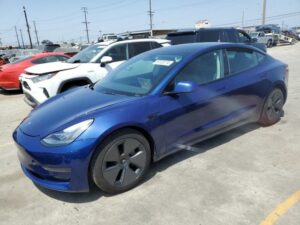
But what happens when your EV reaches the end of its life?
Welcome to the newest frontier in Kiwi motoring: Specialist EV Dismantling. It is cleaner, more technical, and potentially more profitable than traditional car wrecking. Here is how EV dismantling is changing the landscape for collectors, DIY mechanics, and everyday drivers.
Why Standard Wrecking Doesn’t Work for EVs
You cannot drag a damaged Nissan Leaf or a flooded Tesla Model 3 into a standard scrap yard and crush it. These vehicles contain high-voltage (HV) batteries and complex electrical architecture.
If handled incorrectly, an EV can pose serious risks:
-
Thermal Runaway: Damaged lithium batteries can spontaneously catch fire.
-
Electrocution: Residual voltage (300V–800V) is lethal without proper isolation training.
-
Environmental Fines: Lithium batteries are hazardous waste under NZ law.
This gap in the market has sparked the rise of specialised EV dismantlers across the North and South Islands.
The Goldmine: Second-Life Batteries
The biggest driver of EV dismantling growth isn’t selling doors or bumpers—it’s the battery.
An EV battery that has degraded to 70-80% State of Health (SOH) is no longer good for driving range, but it is perfect for energy storage. Kiwi dismantlers are now:
-
Testing and re-packaging Leaf and Tesla batteries for home solar storage.
-
Supplying batteries to farms for off-grid water pumps.
-
Crushing and refining cells locally to recover Lithium, Cobalt, and Nickel—reducing our reliance on overseas refining.
Tip for car collectors: If you own a classic conversion project, a professionally dismantled EV battery pack is far cheaper than buying new.
A Booming Supply of Used EV Parts in NZ
For owners of older EVs (like the 2011-2017 Leaf), new parts from Nissan Japan are expensive and slow to arrive. Dismantlers now offer local, tested alternatives:
-
Inverters & PDM units: Common failure points on early Leafs. Used units cost 60% less than new.
-
Battery modules: Replace a single faulty module instead of a $12k battery pack.
-
E-motor & reduction gear: Surprisingly durable, but in high demand for conversion projects.
Safety & Certification: The New Standard
The EV dismantling industry in NZ is becoming professional. Look for facilities that follow the Ministry of Transport’s HV safety guidelines and employ EV High Voltage Technicians.
Responsible dismantlers follow a strict “depowering” process:
-
Isolate the service plug.
-
Discharge capacitors (wait 10-15 minutes).
-
Test for zero voltage before cutting any cables.
If you are taking a damaged EV to a wrecker, always advise them if the airbags have deployed or the battery casing is cracked.
What This Means for NZ Car Collection Owners
Whether you run a fleet of hybrids or a private collection of classic cars, the rise of EV dismantling is good news.
-
For Hybrid Owners (Prius, Aqua, Outlander): Replacement HV batteries are now available for under $1,500 thanks to tested dismantled cells.
-
For EV Daily Drivers: The total cost of ownership drops because insurance write-offs can be salvaged for parts.
-
For Collectors: The supply of electric conversions parts (motors, controllers, busbars) has never been better or more affordable in NZ.
The Future: NZ’s Circular Economy
The government is watching. The Waste Minimisation Fund has already backed several battery recycling pilots. By 2026, we expect EV dismantling to be a fully regulated, licensed sector.
We are moving away from the old image of the “car wrecker” toward a Circular Automotive Hub—where 95% of an EV (including the battery) is reused, repurposed, or recycled locally.
Final Verdict
The rise of EV dismantling in NZ is not just an environmental win—it’s an economic one. It provides cheap parts, supports DIY conversions, and ensures that when your EV finally dies, it helps power something else.
Have an end-of-life EV or hybrid? Before you send it to the scrap bin, contact a specialist EV dismantler. Your old battery might be worth more than the rest of the car combined.
Looking for used EV parts for your collection? Check back with Car Collection NZ for our latest inventory of tested hybrid batteries, inverters, and electric motors.
FAQ: EV Dismantling in New Zealand
Q: Is it legal to dispose of an EV battery in a landfill?
A: No. Under the Waste Minimisation Act 2008, lithium batteries must go to approved hazardous waste facilities.
Q: Can I remove my own EV battery for recycling?
A: No. Never attempt DIY removal of an HV battery. It requires insulated tools, PPE, and specific training.
Q: Do EV dismantlers pay for old cars?
A: Yes, but differently. They value the battery health. A Leaf with 80% SOH might fetch 2,000–3,000, whereas a dead battery car may be $500.
Q: Are there EV dismantlers in the South Island?
A: Yes. Several operations in Christchurch and Dunedin now offer specialized HV services, though the majority (due to EV density) are in Auckland and Hamilton.
-
External linking: Link to MBIE’s Battery Recycling Guidelines and Waka Kotahi HV Safety page.